
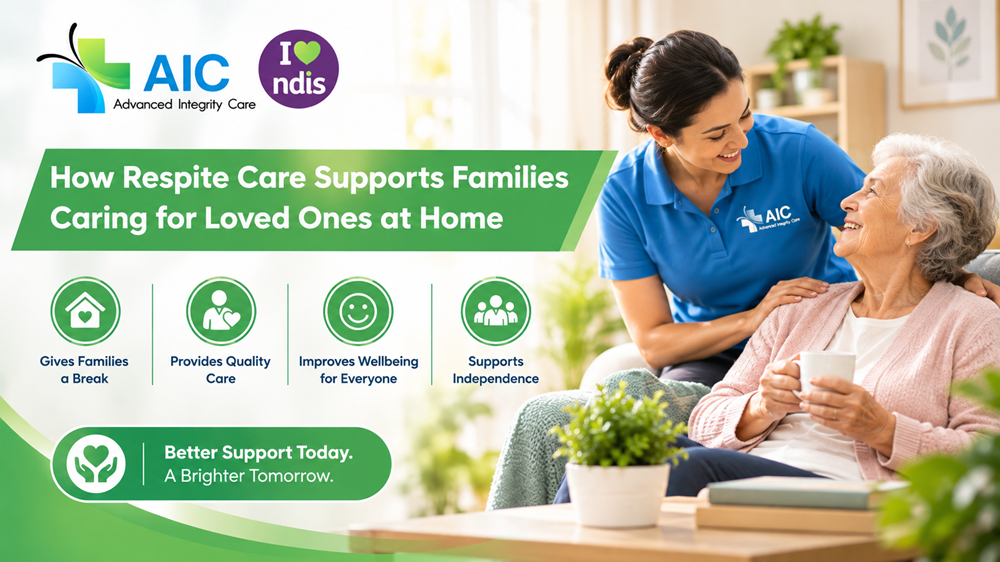
Caring for a loved one at home can be very rewarding. In the process, it often demands a lot of physical energy, emotional patience and daily organisation. Family carers assist with meals, personal care, mobility support, medication routines and appointments as well as household tasks & companionship. Having this happen day after day means that making time to rest can also be an issue.
This is where home respite care starts to make a difference in a very practical way. Respite support provides family carers with a short break while ensuring their dependant is still well cared for and can maintain social interactions. As much as respite is direct linkage to hospitality, it does not mean avoiding responsibility. Rather, it can assist households better manage a healthier and more sustainable caring system.
In-home respite care supports them in a familiar setting, which can be vital for families all across NSW.
Respite care provides temporary support for a person who normally receives assistance from a family member, partner, friend or other informal carer.
Depending on the person’s needs, a respite support worker may assist with everyday activities such as:
Although respite may last only a few hours, families can also arrange support regularly when ongoing assistance is needed.
Therefore, respite care can become part of a broader home-care routine rather than something families use only during emergencies. Get details on Medication Management.
Family carers often focus heavily on the person they support. Consequently, their own wellbeing may move lower on the priority list.
However, caring without adequate breaks may lead to physical tiredness, poor sleep, frustration or difficulty managing other responsibilities. Carers may also have employment, children, medical appointments and household commitments of their own.
Regular carer respite support creates breathing space.
For example, a carer might use several hours to:
Even a relatively short break may help someone return to their caring role feeling more refreshed and organised.
At Home Many are going with what feels comfortable in their homes. They have a mental map of where everything is, they are aware of their surroundings, and they can stay connected with their community.
This is why home respite care in NSW can provide families with an option where: the primary carer requires a reprieve, and their loved one does not need to be moved from their homes.
A support worker can enter the home and follow their general, normal routine as far as this is feasible. As a result, this can mean less upheaval for the individual, whilst providing valuable personal time for their family carer.
This can be an attractive alternative for people who tend to prefer a routine or require aid in your own accustomed natural environment. Looking for a Home Support services?
The exact support will vary because every person and family has different requirements.
| Area of Support | How Respite Care May Help |
| Personal routines | Assistance with dressing, grooming and everyday activities |
| Meals | Preparing meals and supporting normal meal routines |
| Companionship | Conversation, activities and meaningful social interaction |
| Mobility | Assistance with moving safely around the home or community |
| Community access | Support with shopping, outings or social activities |
| Household tasks | Help with suitable everyday household activities |
| Family carers | Gives carers time for rest, appointments and personal commitments |
A good support arrangement should focus on the person’s preferences rather than applying exactly the same routine to everyone.
Those that are receiving care at home may not have anyone to talk with and gain community opportunities. Thus, a respite support worker can not only provide companionship but also encourage the individual to engage in activities that they enjoy.
This may include talking over tea, taking an appropriate stroll, engaging with music, indulging in a hobby or joining up for community work.
The reason respite care can help both sides of the caring relationship. The family carer gets respite, while their relative is still being engaged in meaningful interaction.
If one family member takes on the role of principal carer, over time family relationships can become focused on care activities.
Husbands can feel as though they have become a full time caregiver rather than partners. Similarly, an adult child helping a parent might spend the majority of each visit coordinating medicine, food, appointments and household tasks.
Families can receive regular respite support to make it more balanced.
By shifting some daily tasks to another support person, rather than things being manageable only on the margins of their care, family members may be better able to have quality time together.
That is not the same as seeking to decrease family engagement anyway; rather, respite implies. It enables families to better spend their time together more often in a rich way. Get details on Community Access Service in NSW.
Another advantage of in-home respite services is flexibility.
Over a number of occasional hours, some families require support from you… Some will need weekly support with check-ins as often as every day.
A daughter looking after her father may book respite every Tuesday afternoon so she can attend meetings for work. Meanwhile, another family might access respite support when their regular carer has an appointment or is taking some personal time.
The correct arrangement will depend on the needs of the individual needing support and also those of the family.
Ideally, families should also discuss routines, preferences or communication needs and any relevant support requirements prior to care commencing.
Carer fatigue rarely happens overnight. Rather, pressure can build slowly over time when a person repeatedly prioritises someone else’s needs over their own.
Some of the most common signs that they may need extra support include persistent fatigue, irritability, sleeping problems, increased isolation and finding everyday tasks a struggle.
Because of this, it is recommended that the family does not wait until caring gets very difficult to then think about respite care services.
If you plan to take breaks regularly from the outset, such arrangements may work better in the long run.
In addition, carers are regarded to be better off if they also have sufficient time to care for their own physical and mental health.
Related Services:
» Respite Care Services in NSW
Every household works differently. Therefore, personalised care planning is important.
Before respite starts, families may want to discuss:
Clear communication can help a support worker provide assistance that feels familiar rather than disruptive.
Sometimes, families feel that asking for help is a signal to others that they have lost control of their caring responsibilities. But long-term care of a person tends to be most effective when responsibility is shared.
Instead of thinking about respite solely in terms of crisis intervention, families can integrate it into their ordinary care management.
For example, scheduling a few hours each week provides the carer with regular personal time. Consequently, it makes it easier to schedule appointments, social activities and other obligations.
Importantly, it allows the individual to maintain familiar routines, regular social interaction and personalised care.
Related Articles:
» Why Respite Care Is Essential for Carers and Families
» Respite Care Supports Both Participants and Caregivers
» Understanding the Right Time to Seek Respite Care
» Respite Care: Supporting Families When They Need It Most
» How Respite Supports Positive Behaviour & Routine
Family caring for someone in their home is entitled to feasible support that takes into account the individual and his or her usual caregivers. Advanced Integrity Care – NSW delivers person-centered care built around an individual’s needs, desires and daily activities.
Whether a family requires respite support from time to time or consistently through planned respite care in NSW, it allows caregivers time off while assisting their loved one maintain the daily patterns of life at home.
In the end, respite care is most effective when it enhances independence and dignity, and upholds relationships and wellbeing of the entire family.
Advanced Integrity Care acknowledges the Awabakal and Worimi Peoples as the Traditional Custodians of the land on which we work. We pay our respects to Elders past and present and extend that respect to all Aboriginal and Torres Strait Islander peoples.
admin@advancedintegritycare.com.au
Call: (02) 49511530
2/5 Withers St, West Wallsend NSW 2286, Australia
